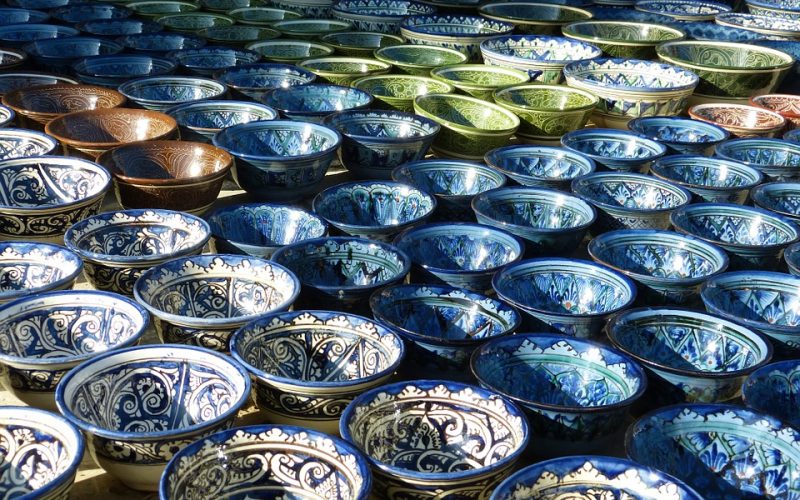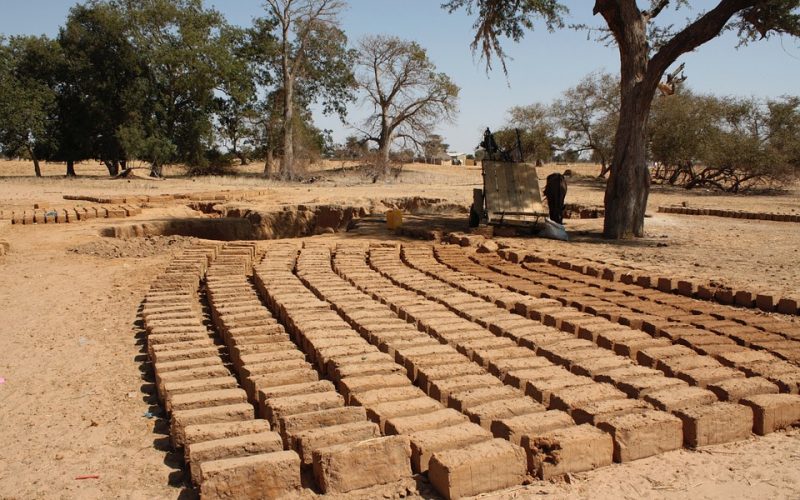
Long before writing, currency, or organised religion, humans were making pots. The first fired ceramics date back more than 20,000 years, making them one of the oldest human technologies ever discovered. Yet ceramics rarely get the credit they deserve in the story of civilisation. They were not merely containers — they were the infrastructure upon which early societies were built.
The first spark of invention
The earliest known ceramic object, the Venus of Dolní Věstonice, was not a storage vessel but a figurine, fired in what is now the Czech Republic during the Upper Palaeolithic period. This suggests that humans understood the transformative properties of heat and clay long before they needed to store grain. The technology, it seems, was born from curiosity and ritual — not just practicality.
How ceramics enabled the agricultural revolution
When humans began settling into agricultural communities around 10,000 BCE, ceramics became indispensable. Fired clay vessels allowed people to store surplus food and water for the first time, making it possible to survive harsh seasons and droughts. This ability to stockpile resources fundamentally altered the relationship between humans and their environment. Settlements grew larger, populations increased, and the conditions for complex society began to take shape.
Ceramics also changed how people cooked. Boiling food in clay pots made a far wider range of plants and animals safe to eat, improving nutrition and reducing the energy humans spent on digestion. Some researchers argue this dietary shift was a significant driver of cognitive development in early populations.
Trade, identity, and the spread of ideas
As ceramic styles developed across different regions, pottery became a marker of cultural identity. Archaeologists rely heavily on changes in ceramic design — shape, decoration, and firing technique — to trace the movement of peoples and ideas across continents. The spread of distinctive pottery traditions, such as the Linearbandkeramik culture across Neolithic Europe, tells us more about ancient migration than almost any other physical artefact.
Ceramics also drove early trade networks. Amphorae carried olive oil and wine across the Mediterranean for thousands of years, connecting civilisations that might otherwise have remained isolated. The humble clay vessel, in this sense, was the shipping container of the ancient world.
A record written in clay
Perhaps the most enduring contribution of ceramics to civilisation is preservation. Clay tablets bearing cuneiform script, developed in Mesopotamia around 3,400 BCE, represent some of the earliest known examples of writing. Unlike papyrus or wood, fired clay resists decay remarkably well. Many tablets that survived the destruction of ancient libraries — including those lost to fire — did so precisely because burning only strengthened them. The very accidents that erased other records helped preserve these ones.
Still shaping the world today
The legacy of early ceramics runs deeper than most people realise. Modern applications — from bathroom tiles and bone china to aerospace heat shields and semiconductor substrates — descend from the same basic understanding that early humans stumbled upon: that clay, transformed by fire, becomes something far more durable and useful than its origins suggest.
Civilisation did not rise in spite of its material constraints. It rose, in many ways, because of one extraordinarily versatile material found underfoot. The next time you hold a ceramic mug, consider that the technology in your hands is older than agriculture itself — and that the story of humanity is, at least in part, a story told in clay.